
Review · INDONESIA SCOOTER TOURS
Canggu Scooter Lessons
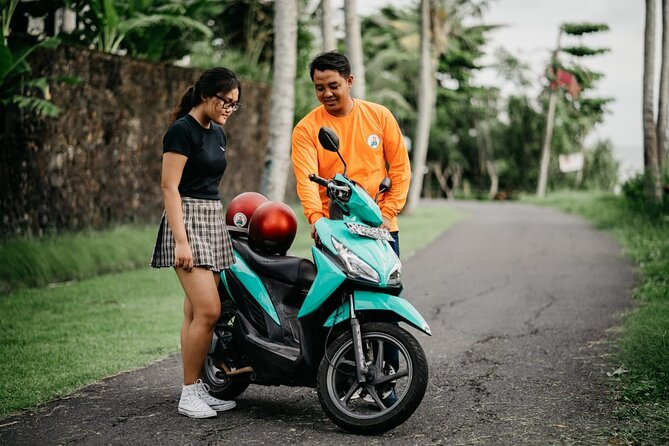
Learning to ride a scooter in Bali is far less stressful when you begin away from traffic. This private Canggu lesson starts in a parking lot, covers the scooter’s controls and basic theory, then builds toward balance, turning, and quiet village-street practice at your pace. Agus, Gede, and Krisna are among the instructors praised for patience and clear teaching.
I like the one-to-one format and the freedom to stop for breaks whenever you need. I also like the sensible progression: you do not head onto a public street until you feel ready. The main consideration is that a single two-hour session may not be enough. Most learners need two or three lessons, and you must have a valid license and previous bicycle-riding experience.
Key points before you book
- Private instruction: Only your group takes part, so the instructor can focus on your confidence and weak spots.
- A quiet start: You learn scooter functions, balance, and turning in a parking lot before moving onto a village street.
- Patient named instructors: Agus, Gede, and Krisna are praised for calm guidance and clear explanations.
- Plan beyond two hours: The listed session lasts about two hours, but many people need four to six hours in total.
- A license is required: This is not a substitute for having the required driving credentials.
- Canggu meeting point: The lesson starts and ends at Jl. Raya Dawas in Tibubeneng, North Kuta, Bali.
Why a parking-lot lesson makes sense in Bali
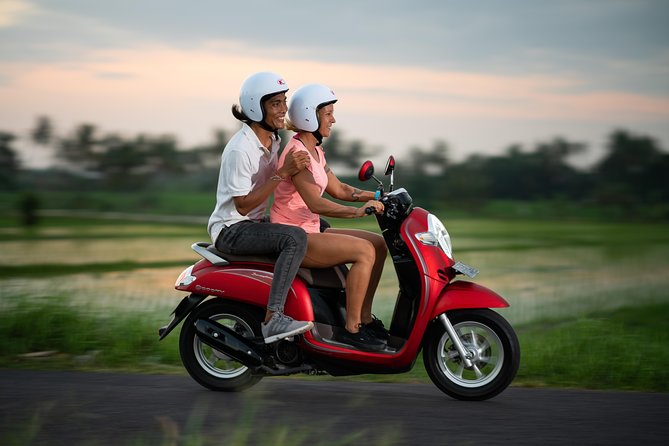
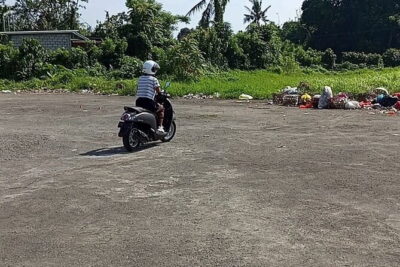
Riding a scooter in Bali looks simple until you are sitting on one. You need to control the throttle, steer at low speed, balance through turns, and stay calm when the road feels unfamiliar. Starting in a parking lot gives you room to sort out those basics without the added pressure of traffic.
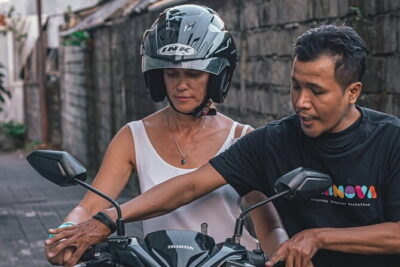
The lesson begins with an explanation of how the scooter works. You learn the function of the controls before you are asked to ride. That order matters. If you are new to scooters, the first few minutes can feel like a lot of information, and it is useful to understand the machine before trying to move it.
Next comes balance and turning. These are not glamorous skills, but they are the heart of safe low-speed riding. The instructor can watch how you handle the scooter and decide when you are ready for the next step. You are not pushed onto a public road simply because the clock is running.
That structure is the strongest feature of the lesson. Many people can make a scooter move within minutes. The harder part is doing it smoothly and staying composed. Here, the instructor keeps the focus on control rather than speed.
More Hands-On Workshops in the world:
- Cooking class & Vibrant Market by Scooter/Tuktuk (Half-Day)
★ 5.0 · 55 reviews - Kuta Seminyak Scooter Lessons
★ 5.0 · 40 reviews - 2 Hours Private Scooter Lesson in Bali
★ 5.0 · 32 reviews
What happens during the two-hour session
The advertised lesson lasts about two hours, though the teaching is not presented as a fixed race through a checklist. You can take breaks when needed, and the instructor adjusts the pace to your confidence.
The first part covers theory and the scooter’s functions. You should use this time to ask basic questions, especially if you have never used an electric scooter or moped. It is better to clarify a control while parked than to guess once you are moving.
The instructor then helps you work on balance and turns. Expect practice rather than a quick demonstration. One of the useful details here is that the next stage comes only when you feel completely confident. That gives you a clear say in how fast the lesson progresses.
Once you are comfortable in the parking lot, you continue on a quiet village street. This is an important bridge between a controlled practice area and Bali’s busier roads. You can begin to manage a real route while still receiving direct support from the instructor.
The exact number of tasks is not fixed in advance. You might repeat a turn several times, pause, or spend longer on a basic control. That flexibility is especially useful for first-time riders, since confidence can change from one minute to the next.
Quiet streets first, real traffic later
The quiet village street is not a promise that you will master all of Bali’s traffic in one visit. It is a chance to apply the basics in a less demanding setting. You still need to make decisions while moving, but the setting is more forgiving than a busy main road.
I see this as a useful middle step. Parking-lot practice can make you feel ready, yet public roads add pressure that is hard to recreate. The quiet street lets you find out how your balance and turning skills hold up outside the training area.
You should keep your own limits in mind. The lesson is designed to build confidence, not to declare you ready for every road in Bali. One person may progress quickly, while another needs more practice before feeling safe. The instructors make room for that difference.
Past students have specifically appreciated practical tips and repeated practice before attempting real streets. One person reported feeling much safer on busy roads after working through the exercises in a safe setting. That is the right way to judge this lesson: as a foundation for better riding, not as a shortcut around practice.
The instructors and teaching style
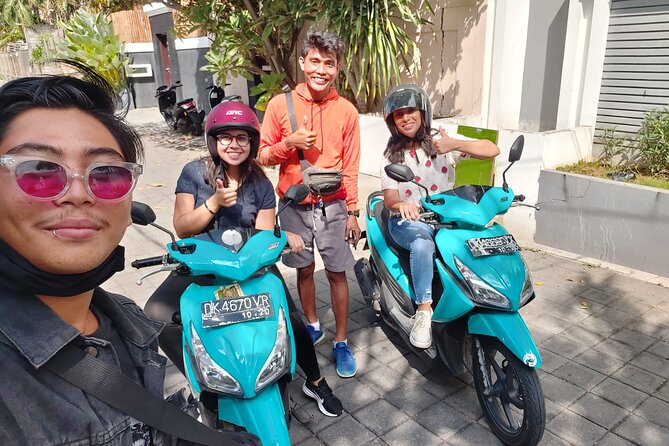
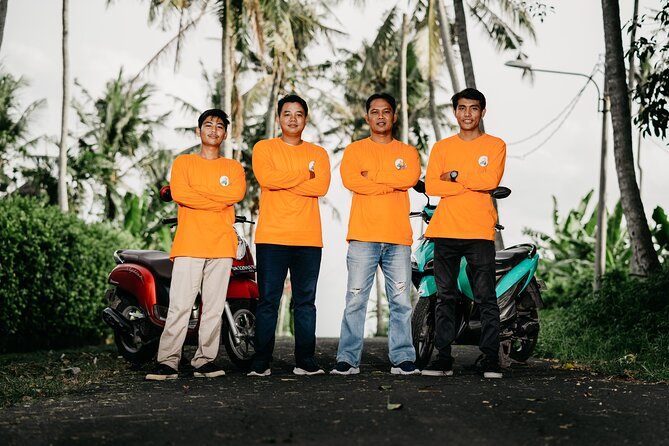
The teaching style is the reason this activity earns such strong praise. Agus is described as nice and patient, explaining each part carefully for a first-time rider. Gede is praised for waiting until the learner felt ready before moving to the next step.
Krisna also receives thanks for patience and kindness. These details matter because a nervous learner needs more than technical instructions. You need an instructor who can slow down, explain the same point another way, and let you regain control after a wobbly attempt.
The private format helps here. You are not trying to keep up with a group, and the instructor does not need to divide attention among several riders. If you need a break, you can take one. If you need another round of practice, the lesson can respond to that need.
The instructors also use different tasks rather than asking you to repeat one simple movement forever. That keeps the session useful while giving you a gradual test of your control. The absence of pressure to learn quickly is a real advantage for beginners.
Still, no instructor can remove every risk. You remain responsible for meeting the license requirement and for deciding when you are ready to ride independently. Good teaching can improve your skills, but it cannot replace judgment.
A few more scooter tours around the world worth a look
- Florence Vespa Tour: Tuscan Hills and Italian Cuisine
★ 5.0 · 4,019 reviews - Scooter Tours of Red Rock Canyon
★ 5.0 · 2,174 reviews - Vespa Sidecar Tour By Night with Pickup
★ 5.0 · 1,803 reviews - Rome Morning Vespa Sidecar Tour in Rome with Cappuccino
★ 5.0 · 1,771 reviews
How many lessons should you plan for?
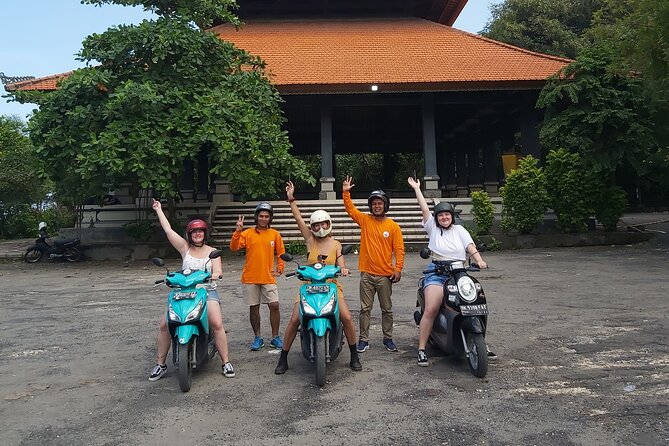
The session is sold as an approximately two-hour lesson, but the provider says the average learner needs four to six hours in total. That works out to two or three lessons. You can take fewer or more depending on how you feel after the first session.
I would treat the first lesson as an assessment as well as training. It lets you find out how naturally you balance, how quickly you understand the controls, and how comfortable you are when turning. Those answers will tell you more than a fixed promise about how many hours you need.
Some learners may be able to ride after one lesson. Others will benefit from returning for more practice. The option to take two or three sessions is valuable because rushing onto busy roads is a poor way to save money.
The activity also offers manual motorbike lessons, bicycle lessons, and help with obtaining an Indonesian driving license. Those are separate services, so you should confirm what you are booking. The scooter lesson itself requires a valid license.
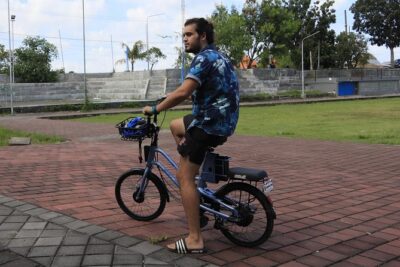
A key condition is previous bicycle experience. If you cannot ride a bicycle, you should not expect this scooter session to teach that foundation at the same time. Balance on a bicycle is listed as a requirement for learning to ride the scooter.
What the $31.34 price really covers
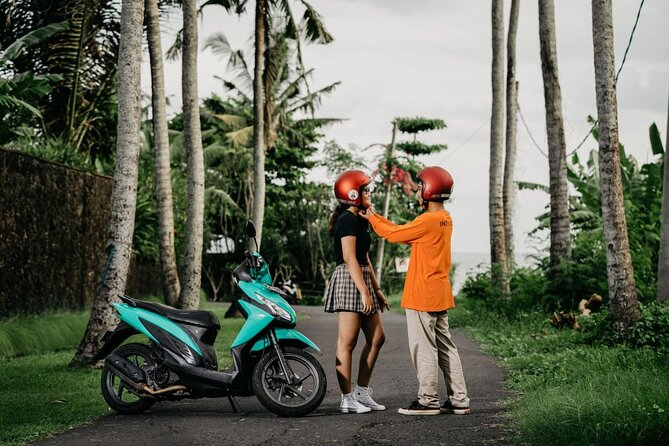
At $31.34 per person, the price is reasonable if you use the lesson to build a real base of scooter skills. You are paying for private instruction rather than a group demonstration, and the value comes from having an instructor adjust the pace to you.
The two-hour duration is also easier to justify when you consider the format. You receive theory, parking-lot practice, balance and turning work, and a move to a quiet village street when ready. The instructor’s attention is directed at your riding rather than spread across a large group.
The catch is that $31.34 may be only the first part of your training cost. If you need the average two or three lessons, your total will be higher. That is not a flaw, but you should budget with four to six hours in mind rather than assuming one booking will make you road-ready.
This is good value for someone who wants to ride during a longer Bali stay and would otherwise learn through trial and error. It is less useful if you want a quick novelty activity and have no plan to ride afterward. The practical benefit grows with the amount of practice you take.
Meeting in Tibubeneng, not central Ubud
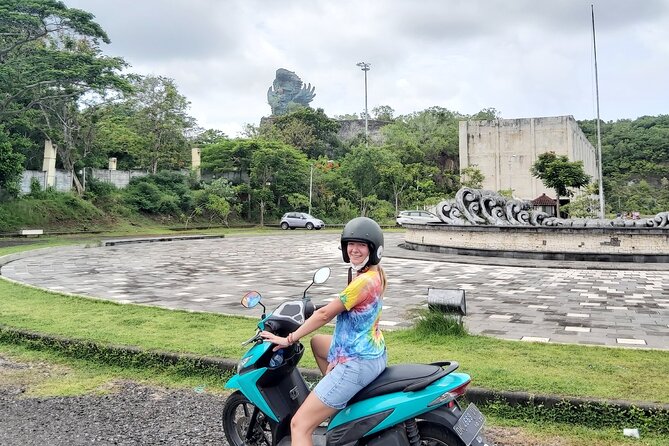
The supplied location is described as Ubud, but the actual meeting point is Canggu Scooter Lessons on Jl. Raya Dawas, Tibubeneng, in Kuta Utara, Badung, Bali. You should check your route carefully before booking because Canggu and Ubud are different areas.
The activity starts and ends at this same meeting point. There is no transport service described, so you need to arrange your own way there. The return to the meeting point keeps the lesson simple, but it also means you should not assume a hotel pickup.
Because the lesson includes parking-lot work and a quiet village street, arriving at the stated meeting point is important. Do not rely only on the broad label of Ubud when planning your day. Use the full street address and allow enough time to arrive without rushing.
A mobile ticket is provided, and confirmation comes at booking. Those details make check-in straightforward, but they do not remove the need to verify the location before you set out.
Physical effort, weather, and practical limits
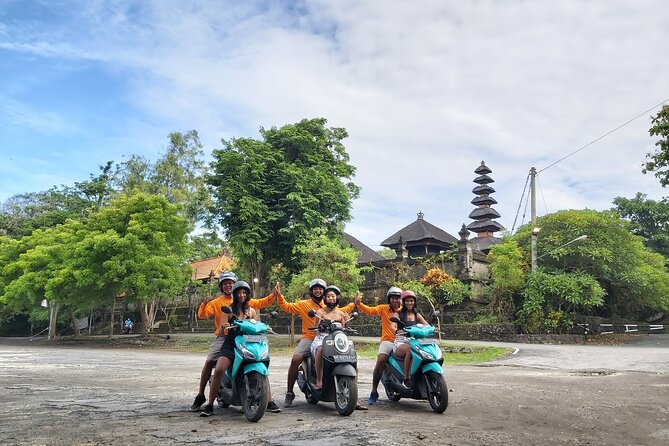
You need a moderate level of physical fitness. Riding a scooter is not a strenuous sport, but you will be balancing, turning, holding the controls, and concentrating for an extended period. If you need breaks, the lesson allows them.
The activity requires good weather. If poor weather forces a cancellation, you are offered another date or a full refund. That is a useful safeguard, since wet conditions would make a beginner lesson less suitable.
Your own cancellation terms are much stricter. Once booked, the experience is non-refundable and cannot be changed for any reason if you cancel or request an amendment. Check your schedule before paying, especially if your Bali plans are still shifting.
The lesson is private, which makes it suitable for one person or your own group. Only your group participates, so you should not expect a mixed class or a large training session.
Who will get the most from this lesson?
This is aimed first at new arrivals who want to learn properly before attempting Bali roads. It also suits repeat visitors who have ridden before but want to improve their confidence or understand scooters better.
I would especially consider it if you are nervous about traffic, have only limited scooter experience, or do not want to learn by borrowing a vehicle and guessing your way through the controls. The patient pace and private format are well matched to cautious beginners.
It may also help a rider who can move a scooter but struggles with turning, balance, or confidence. Repeated tasks and quiet-street practice give you a better base than a quick handover of keys.
I would not book it if you do not have a valid license or cannot ride a bicycle. I also would not treat one two-hour session as a guarantee that you are prepared for every road. The activity is training, not a replacement for careful decision-making.
Should you book Canggu Scooter Lessons?
Book it if you want private, patient instruction and plan to spend enough time practicing before riding in busy traffic. The parking-lot start, gradual move to a quiet street, and freedom to take breaks make this a sensible first step.
The strongest reason to book is the teaching approach. Agus, Gede, and Krisna are praised for patience, kindness, and clear explanations, and the lesson lets you move forward only when you feel ready.
Be realistic about the total commitment. You may need two or three lessons, and the meeting point is in Tibubeneng, Canggu, not central Ubud. If you have a valid license, bicycle experience, moderate fitness, and room in your schedule for more than one session, this is a practical way to gain confidence before taking on Bali’s roads.
FAQ
Where does the scooter lesson start?
It starts at Canggu Scooter Lessons, Jl. Raya Dawas, Tibubeneng, Kec. Kuta Utara, Kabupaten Badung, Bali 80361, Indonesia.
Where does the activity finish?
The lesson ends back at the same meeting point.
How long does one lesson last?
One lesson lasts approximately two hours.
Is the lesson private?
Yes. Only your group participates in the activity.
Do I need a license?
Yes. You should have a valid license before taking the lesson.
Do I need to know how to ride a bicycle?
Yes. Previous bicycle or bike-riding experience is required for learning to ride the scooter.
How many lessons might I need?
The average learner needs about four to six hours, or two to three lessons. The exact number depends on your pace and confidence.
What happens if bad weather cancels the lesson?
You will be offered a different date or a full refund if poor weather causes the activity to be canceled.
Just added around the world
- Vespa Tour with Professional Photographer★ 4.9 · 9 reviews
- Visit Hossegor on an all-terrain electric scooter – with a guide★ 4.7 · 4 reviews
- Electric Scooter Tour: Full Tour (Old Town + Ostrów Tumski)★ 5.0 · 3 reviews
- Food tour & Vespa tour & Photo tour! All included★ 5.0 · 2 reviews
- Vespa Tour – Explore Ancient Rome★ 5.0 · 5 reviews
- Rome: Vespa Tour with Gelato and Photos★ 4.9 · 7 reviews
- Vespa Scooter Tour “Rome as a Local”★ 5.0 · 12 reviews
- Vespa Sidecar Tour: Highlights of Rome★ 4.7 · 10 reviews
Indonesia Scooter Tours, compared.
Canggu: Scooter Lesson with Professional Instructor
Read our review →
Browse the lists this tour appears in